Origins and Early History
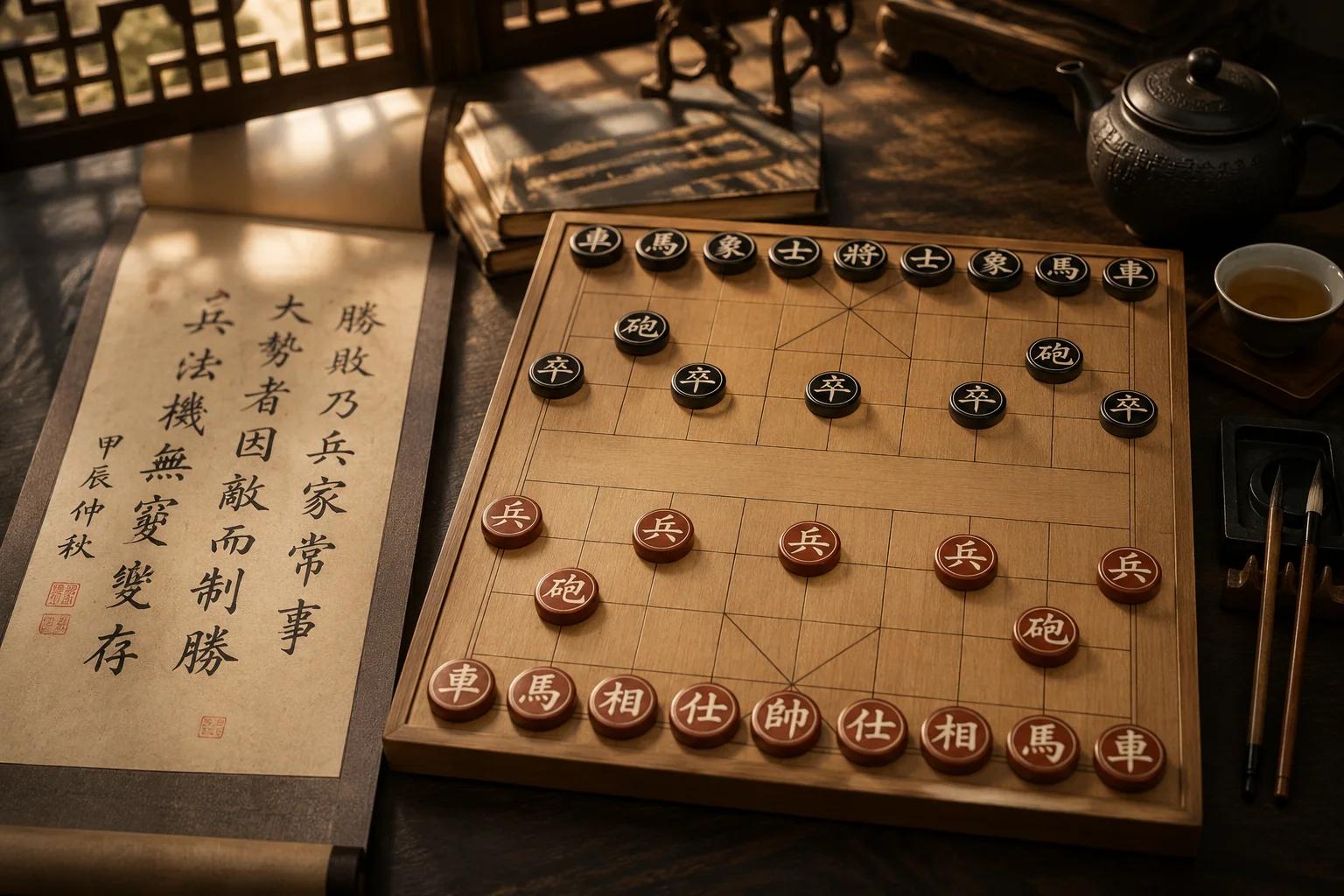
Xiangqi, known in the West as Chinese Chess, is one of the oldest and most widely played board games in the world. Its origins can be traced back over two thousand years to ancient China. The earliest references appear during the Warring States period (475–221 BCE), where a game called "Xiangqi" is mentioned in historical texts, though scholars debate whether this referred to the same game we know today. The name itself carries meaning: "Xiang" can refer to elephants or images, while "Qi" means chess or board game. Some historians believe the game evolved from military simulations used by Chinese generals to plan battle strategies, which would explain the presence of pieces like generals, advisors, chariots, and soldiers on the board.
Evolution During the Tang and Song Dynasties
The Tang Dynasty (618–907 CE) marks a pivotal era for Xiangqi. During this period, the game began to take a form closer to what we recognize today. Literary sources from the Tang era describe a board game with distinct pieces representing military units. It was during the Song Dynasty (960–1279 CE) that Xiangqi underwent its most significant transformation. The board gained its characteristic feature: the river ("Chu He Han Jie"), a horizontal gap dividing the two sides, representing the historical boundary between the Chu and Han kingdoms. The pieces were also refined, and the cannon was introduced as a new piece, adding a unique tactical dimension not found in Western chess. By the end of the Song Dynasty, Xiangqi had essentially reached its modern form.
Standardization During the Ming Dynasty
The Ming Dynasty (1368–1644 CE) brought further standardization to Xiangqi. The rules were codified more precisely, and the game became a fixture in Chinese intellectual life. During this period, several important Xiangqi manuals were published, including the famous "Plum Blossom Manual" (Meihua Pu) and the "Secret Inside the Orange" (Ju Zhong Mi). These manuals contained collections of opening strategies, middle-game tactics, and endgame puzzles that are still studied by players today. The game became popular across all social classes, from imperial courts to village teahouses, cementing its place as a national pastime.
Xiangqi in Chinese Culture
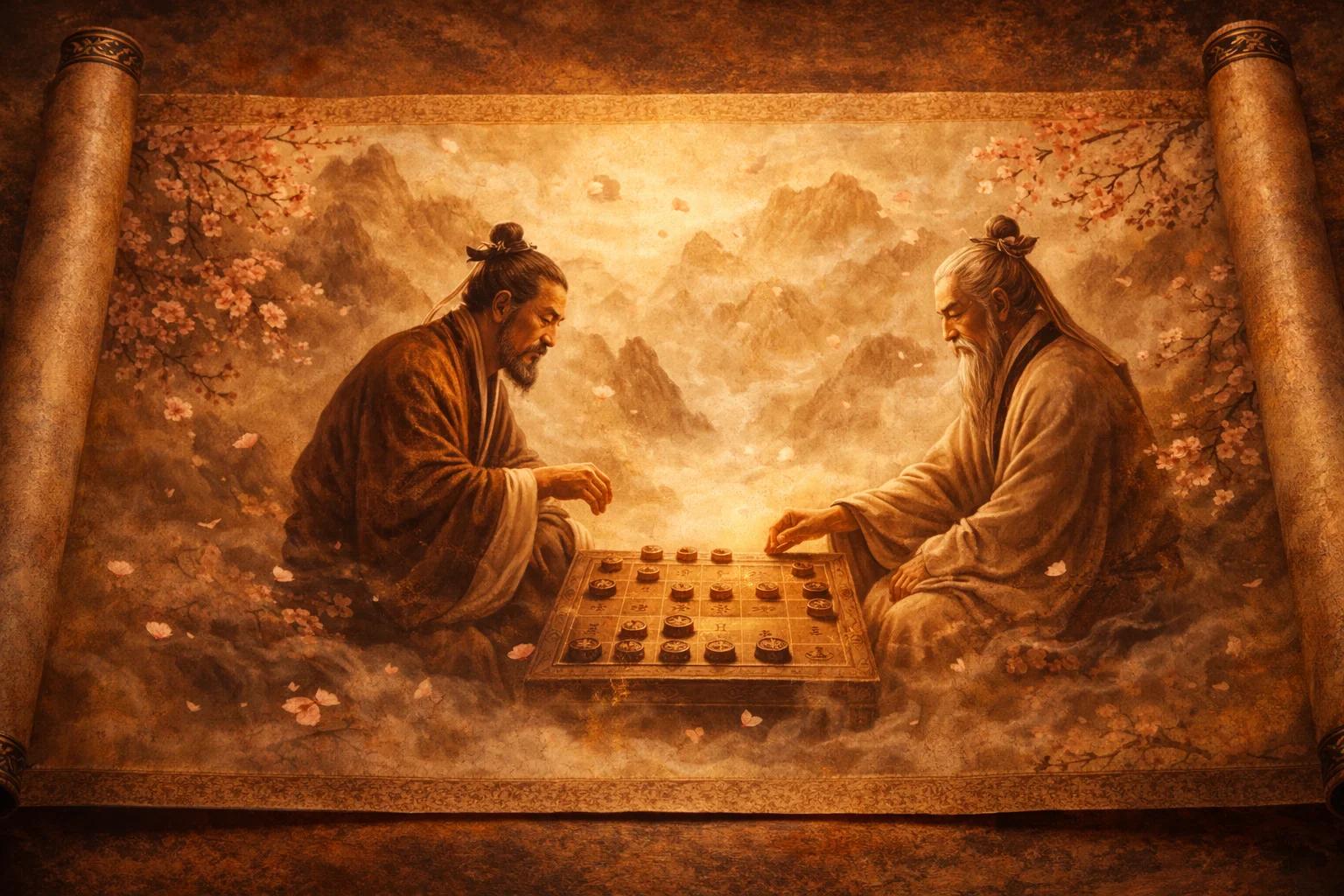
Beyond being a game, Xiangqi holds deep cultural significance in Chinese society. It has been featured in classical literature, poetry, and art for centuries. The game is often seen as a metaphor for military strategy and governance. In traditional Chinese philosophy, Xiangqi embodies the principles of Yin and Yang: the two opposing sides must maintain balance while seeking advantage. The game is commonly played in parks, teahouses, and street corners across China and Southeast Asia, serving as a social activity that brings communities together. Elderly players gathering around a Xiangqi board in a public park is an iconic scene in Chinese daily life.
International Expansion in the 20th Century
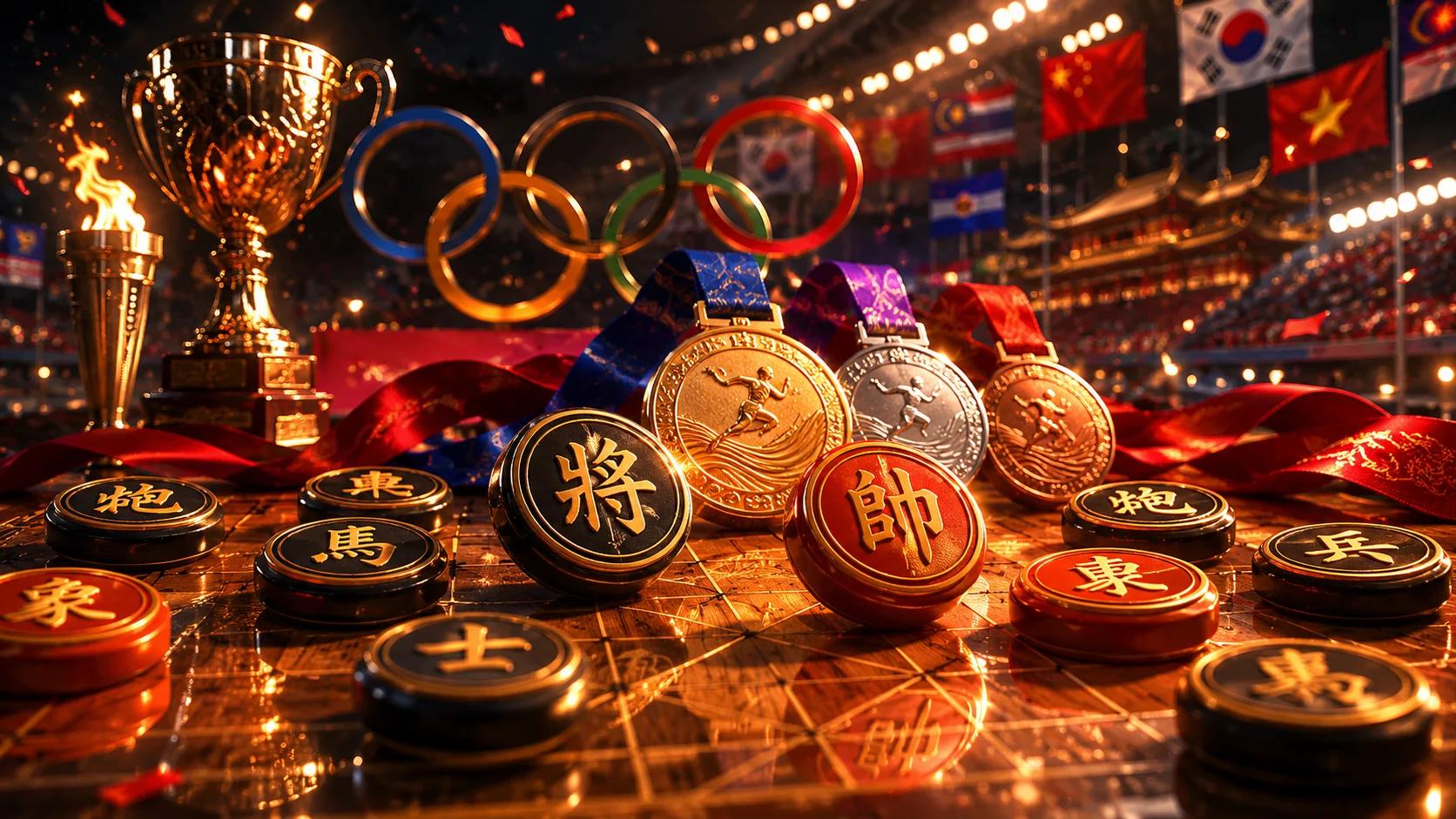
While Xiangqi has been dominant in China and Southeast Asia for centuries, its international reach expanded significantly during the 20th century. Chinese diaspora communities brought the game to every continent, and formal organizations began to emerge. The Asian Xiangqi Federation was founded to organize international competitions, and the World Xiangqi Federation was established to promote the game globally. National championships are held in China, Vietnam, Taiwan, Singapore, Malaysia, and many other countries. Professional Xiangqi players in China enjoy a status comparable to professional chess players in the West, with tournaments offering substantial prizes and national recognition.
Xiangqi in the Digital Era
The advent of the internet and smartphones has transformed how Xiangqi is played and studied. Online platforms now allow players from around the world to compete in real time, breaking down geographical barriers that once limited the game to local communities. Computer engines have been developed that can analyze positions with superhuman accuracy, helping players improve their skills. Mobile applications like Xiangqi One bring the game to new audiences, offering features like matchmaking, puzzles, lessons, and bot opponents of varying difficulty. The digital era has also enabled the preservation and sharing of classical Xiangqi literature and puzzles that were once available only in rare printed editions.
Xiangqi vs Western Chess
While Xiangqi and Western chess share a common ancestor, they evolved into distinctly different games. Both feature a royal piece that must be protected, but the similarities diverge from there. Xiangqi is played on a 9×10 board with pieces placed on intersections rather than squares. The river dividing the board creates asymmetric movement rules for certain pieces. The cannon, unique to Xiangqi, must jump over exactly one piece to capture, creating tactical patterns absent in Western chess. The generals (kings) are confined to a 3×3 palace, and the advisors and elephants have restricted movement zones. These constraints create a game where open lines, piece coordination, and tactical exchanges take on different strategic importance compared to Western chess.
Xiangqi Today and Tomorrow
Today, Xiangqi is played by an estimated 300 million people worldwide, making it one of the most popular board games on the planet. Professional leagues operate in China and Vietnam, broadcasting top-level games to millions of viewers. AI research in Xiangqi continues to push the boundaries of game-playing algorithms. The game is increasingly recognized by international multi-sport events and mind sports organizations. With growing online communities, educational resources, and Xiangqi One making the game accessible to beginners worldwide with interactive tutorials and AI opponents, the future of Xiangqi looks brighter than ever. Ready to be part of this history? Learn how to play or start a game now.