Why Endgames Matter
In Xiangqi, endgames are even more decisive than in Western chess. The main reason is that stalemate (running out of legal moves) is a loss, not a draw. This means that even with a small material advantage, you can often force a win. Additionally, defensive pieces (Advisors and Elephants) have very limited mobility, making the General more vulnerable in the endgame. Mastering basic checkmate patterns will allow you to convert small advantages into wins and, crucially, avoid losing won positions due to poor technique.
Checkmate with the Chariot
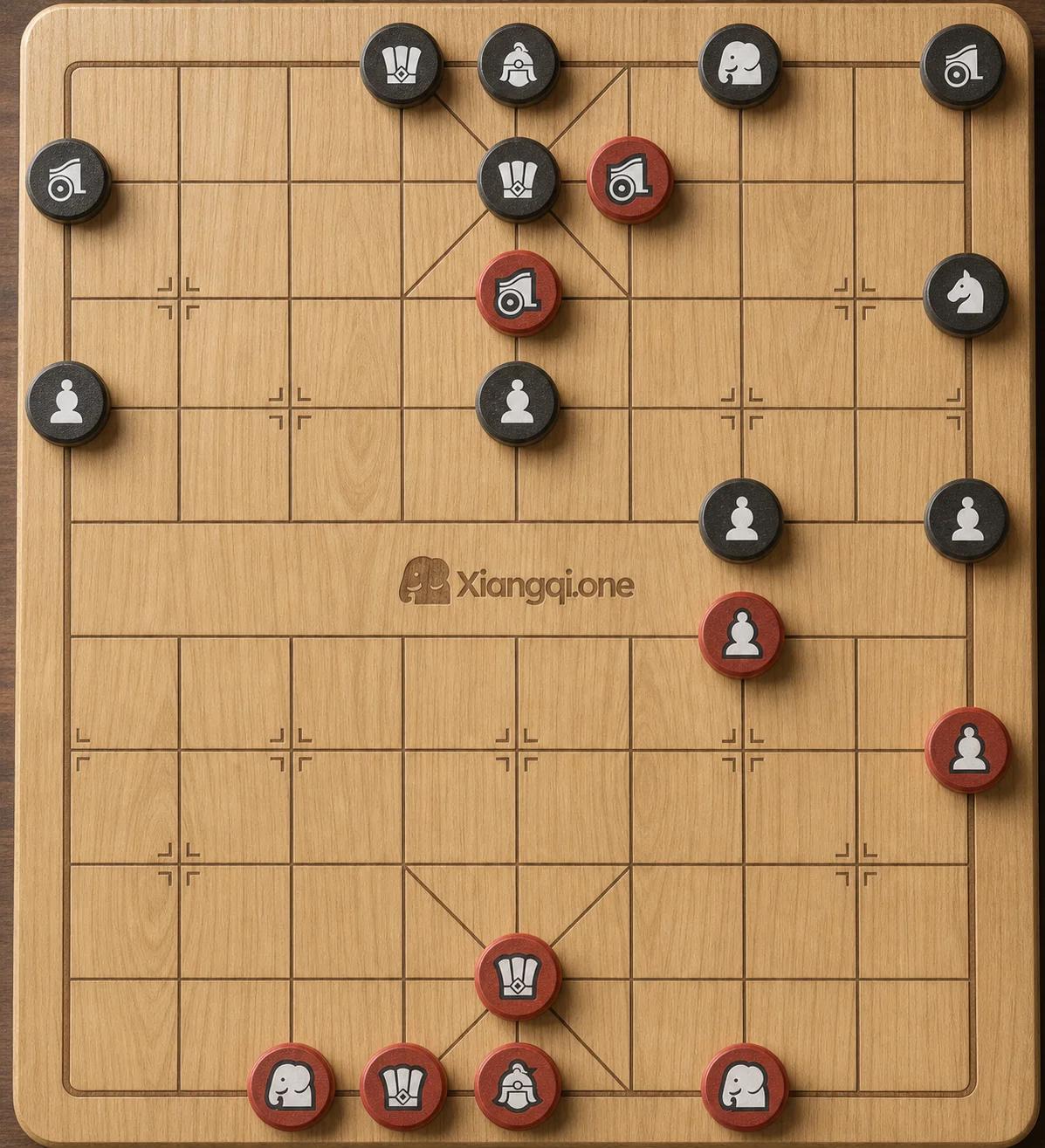
The Chariot is the piece that most frequently delivers checkmate in Xiangqi. The most basic checkmate is the Chariot on the opponent's back rank, giving a lateral check to the General. If the General has nowhere to go (blocked by its own Advisors or Elephants), it is checkmate. The Chariot can also checkmate on the central file if the Advisors have been eliminated. The key to Chariot checkmates is cutting off the General's escape routes before delivering the final check. A single Chariot can checkmate the General without assistance if the position is favorable.
Checkmate with the Horse
The Horse is an excellent piece for delivering checkmate in the endgame because its L-shaped movement allows it to attack the General from angles that are hard to defend. The classic Horse checkmate occurs when the Horse checks from a position where the General cannot escape because it is blocked by its own pieces or by the Flying General rule. The Horse combined with a crossed Soldier is especially dangerous: the Soldier restricts the General's movements while the Horse delivers the checkmate. Practice these patterns by solving puzzles on Xiangqi One.
Checkmate with the Cannon
The Cannon can deliver spectacular checkmates, but it needs a screen. In the endgame, finding screens is difficult, making Cannon-only checkmates rare. However, the Cannon shines in combinations: using an enemy Advisor or Elephant as an involuntary screen to check the General. The most famous pattern is the back-rank Cannon checkmate, where the Cannon is placed on the last rank and uses one of the opponent's defensive pieces as a screen to deliver mate. This kind of tactical irony is one of the beauties of Xiangqi.
Lethal Two-Piece Combinations
Chariot and Horse: the Chariot controls lines while the Horse attacks from angles. One of the most common checkmates in real games. Chariot and Cannon: the Chariot can serve as a screen for the Cannon or vice versa, creating devastating double threats. Horse and Cannon: harder to execute but possible when the enemy General has little protection. Two Horses: can deliver checkmate by coordinating to cover the General's escape squares. In all these cases, coordination between pieces matters more than raw material.
The Stalemate Rule and Its Implications
In Xiangqi, if a player has no legal moves on their turn, they lose the game. This rule is opposite to Western chess, where stalemate is a draw. This has enormous implications in the endgame. If you have a material advantage, you can try to restrict the opponent's moves until they have none. If you are at a disadvantage, you must always keep at least one legal move available. The stalemate rule also means that seemingly useless pieces like an isolated Advisor or Elephant can be vital simply because they provide a legal move.
Important Drawing Positions
Not every endgame with a material advantage is a win. Knowing drawing positions will save you from wasting time trying to win the impossible and will let you seek draws when you are behind. A lone Chariot generally cannot checkmate a General with a well-placed Advisor and Elephant. A lone Horse against a clean General is usually a draw. A lone Cannon can almost never deliver checkmate because it needs a screen that it will not find. Learn these basic positions to know when to simplify and when to maintain tension.
How to Improve Your Endgame Technique
The best way to improve at endgames is to solve practice positions. Start with mate-in-one problems and progress to mate-in-two and mate-in-three. Study the basic patterns until you recognize them instantly. Analyze your own games and pay special attention to the endgames: did you lose a won position? Did you miss a checkmate? Xiangqi One offers endgame puzzles and analysis tools that will help you improve. Also check our strategy guide to understand how middlegame decisions affect the endgame.