How did Xiangqi arrive in France?
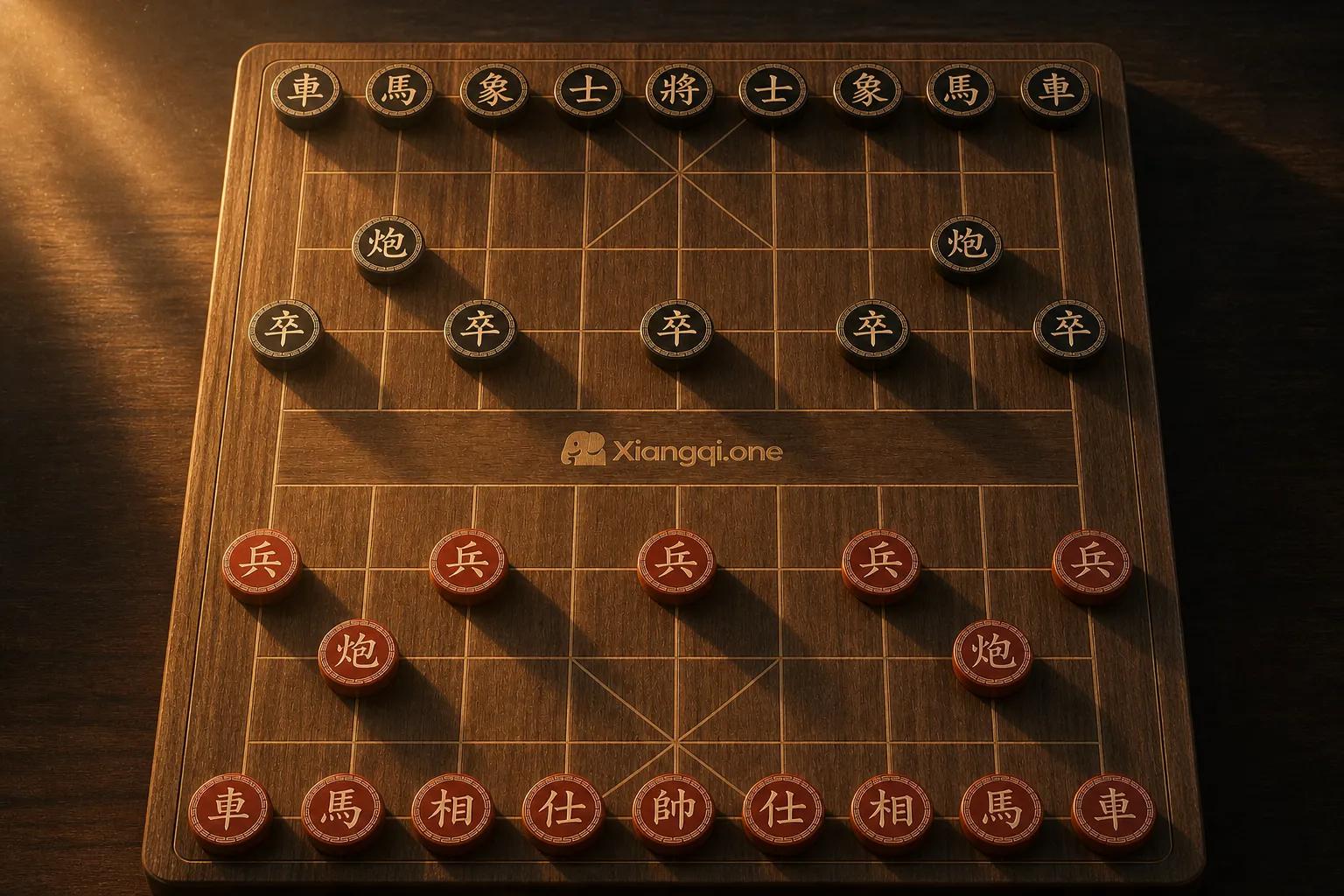
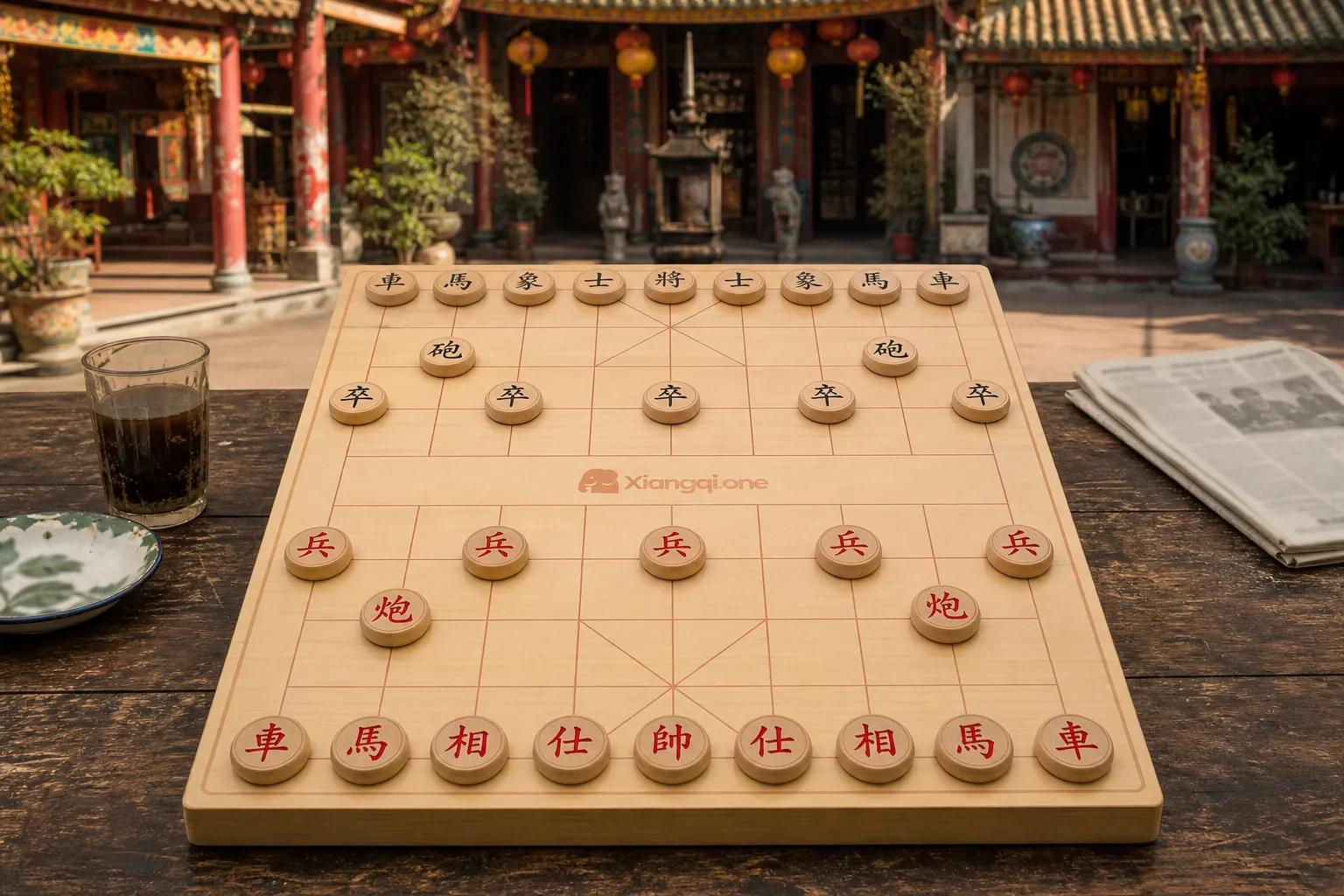
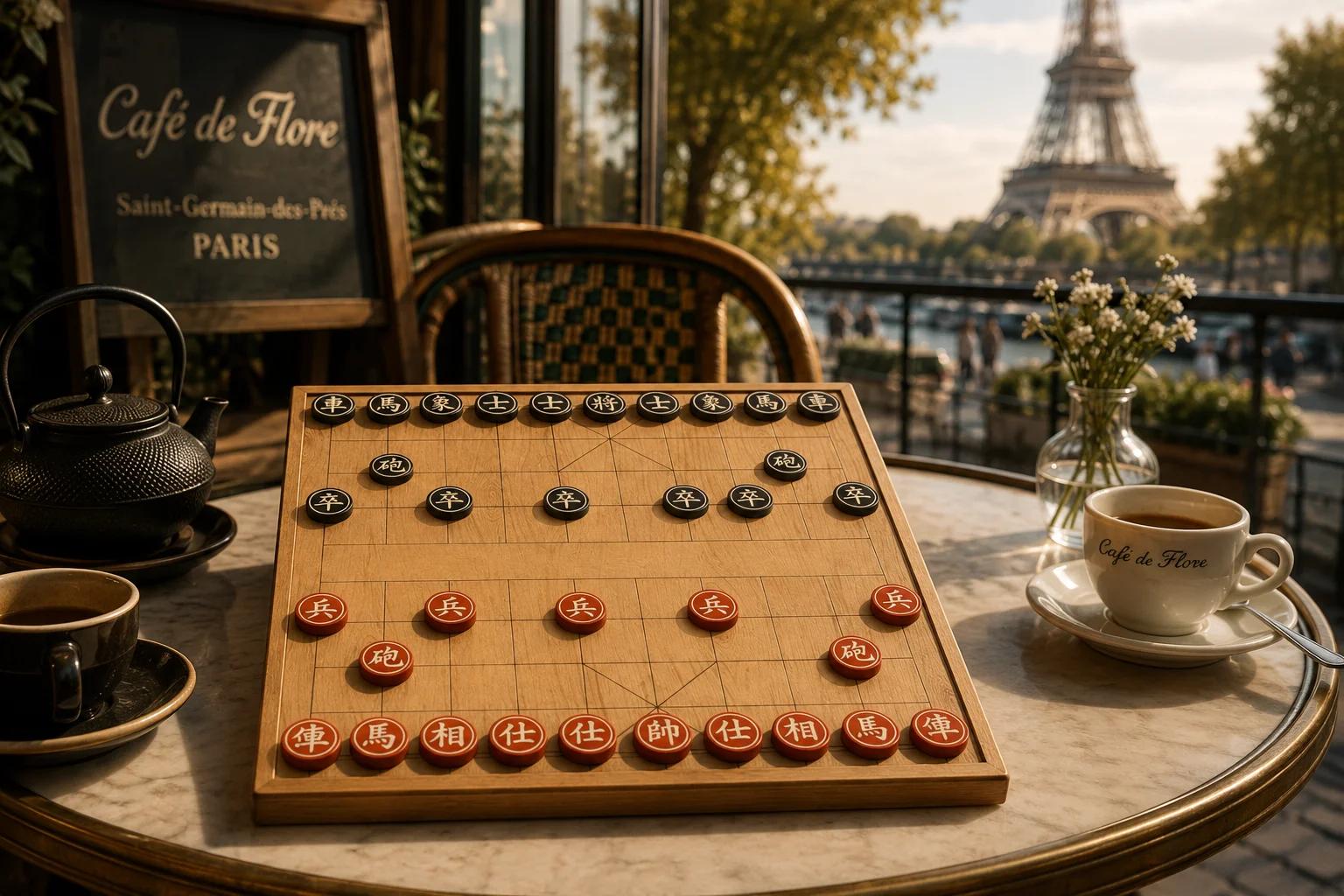
Xiangqi, or Chinese chess, took root in France primarily through the Chinese and Vietnamese diasporas over the course of the 20th century. The first Chinese communities settled in Paris, particularly around the Belleville neighborhood and the 13th arrondissement, bringing with them this thousand-year-old game played daily in parks and community associations. The wave of migration from Indochina after 1975 considerably strengthened this presence, as Xiangqi is also deeply rooted in Vietnamese culture under the name Cờ Tướng. Marseille, a port city and historic gateway, saw an active community of players develop thanks to its Southeast Asian populations. To understand the deep roots of this game, explore our history of Xiangqi and our exploration of Xiangqi culture in China.
Is there a French Xiangqi federation?
France's national body for Chinese chess is the Fédération Française de Xiang Qi (FFX), registered in Paris; older names such as Association Française de Xiangqi still appear in tournament archives. This organization carries out several essential missions: organizing national competitions, structuring club practice, training new players, and representing France at international tournaments. The federation maintains links with the World Xiangqi Federation (WXF), which coordinates Xiangqi at the global level. The French community remains relatively modest compared to China or Vietnam, but it is passionate and well-organized. European federations also collaborate through continental tournaments that bring together several nations from across the continent each year.
Where can you find a Xiangqi club in France?
French Xiangqi clubs are concentrated mainly in the large metropolitan areas with a significant Asian community presence. Paris constitutes the historic heart of the practice, with several informal and associative circles active in the 13th arrondissement, around Place d'Italie, as well as in the Belleville neighborhood spanning the 10th, 11th, 19th, and 20th arrondissements. Marseille also hosts a lively scene thanks to its Asian quarters. Other cities such as Lyon, Toulouse, Strasbourg, and Bordeaux have players and sometimes dedicated associations, often connected to Asian cultural centers. To learn the rules before walking through a club's door, our guide to learning Xiangqi is an excellent first step.
What are the French and international competitions?
The French competitive calendar revolves around several key events. The French Xiangqi Championship, organized annually, designates the country's top player and qualifies representatives for international competitions. The French Open attracts both French and foreign participants, providing a competitive boost to a community that may otherwise lack in-person tournaments. French players also participate in the European Xiangqi Championship, organized under the aegis of the European Federation, and some qualify for the World Championships. The level of French Xiangqi remains below the Asian powerhouses, but the community is progressing, particularly thanks to modern analysis tools and easier access to games played by international grandmasters such as those featured in our gallery of famous players.
Who are the notable French players?
The Xiangqi community in France remains a relatively small circle, and little public information circulates about individual players outside of tournament results. The majority of high-level competitors come from the Franco-Chinese and Franco-Vietnamese communities, heirs to a family practice sometimes passed down over several generations. A few French players have participated in international championships, but France has not yet produced a player capable of competing with the top Asian grandmasters such as the Chinese champions or the Vietnamese grandmasters. The development of the practice among younger generations, including French amateurs with no Asian heritage, could eventually bring forward new talents capable of representing France at the highest level.
How can you start playing Xiangqi in France?
Getting started with Xiangqi in France is more accessible than one might think. First step: learn the rules, which differ from Western chess enough to warrant careful study. Our comparison between Xiangqi and Western chess and our guide for chess players will help you transpose your existing strategic knowledge. Second step: practice online to gain experience quickly. Web and mobile platforms offer opponents of all levels at any hour. Third step: join a local club or community if you live in the Paris or Marseille areas. Fourth step: follow an active French-speaking community, particularly on Discord, to exchange ideas about openings, games, and upcoming tournaments.
Why is Xiangqi One relevant for French players?
Xiangqi One is a modern platform fully translated into French, making it a natural entry point for French speakers wishing to discover or deepen their knowledge of the game. While most Asian platforms remain in Chinese or English, Xiangqi One offers an interface, tutorials, and educational content accessible in French. The platform combines real-time matchmaking, AI opponents powered by the Pikafish engine, tactical puzzles, and post-game analysis. Available on web, iOS, and Android with account synchronization, it accompanies French players from their first hesitant move to competitive matches. To compare online options, our guide to platforms for playing online will help you choose the environment best suited to your level and goals.
Xiangqi within the French Asian community
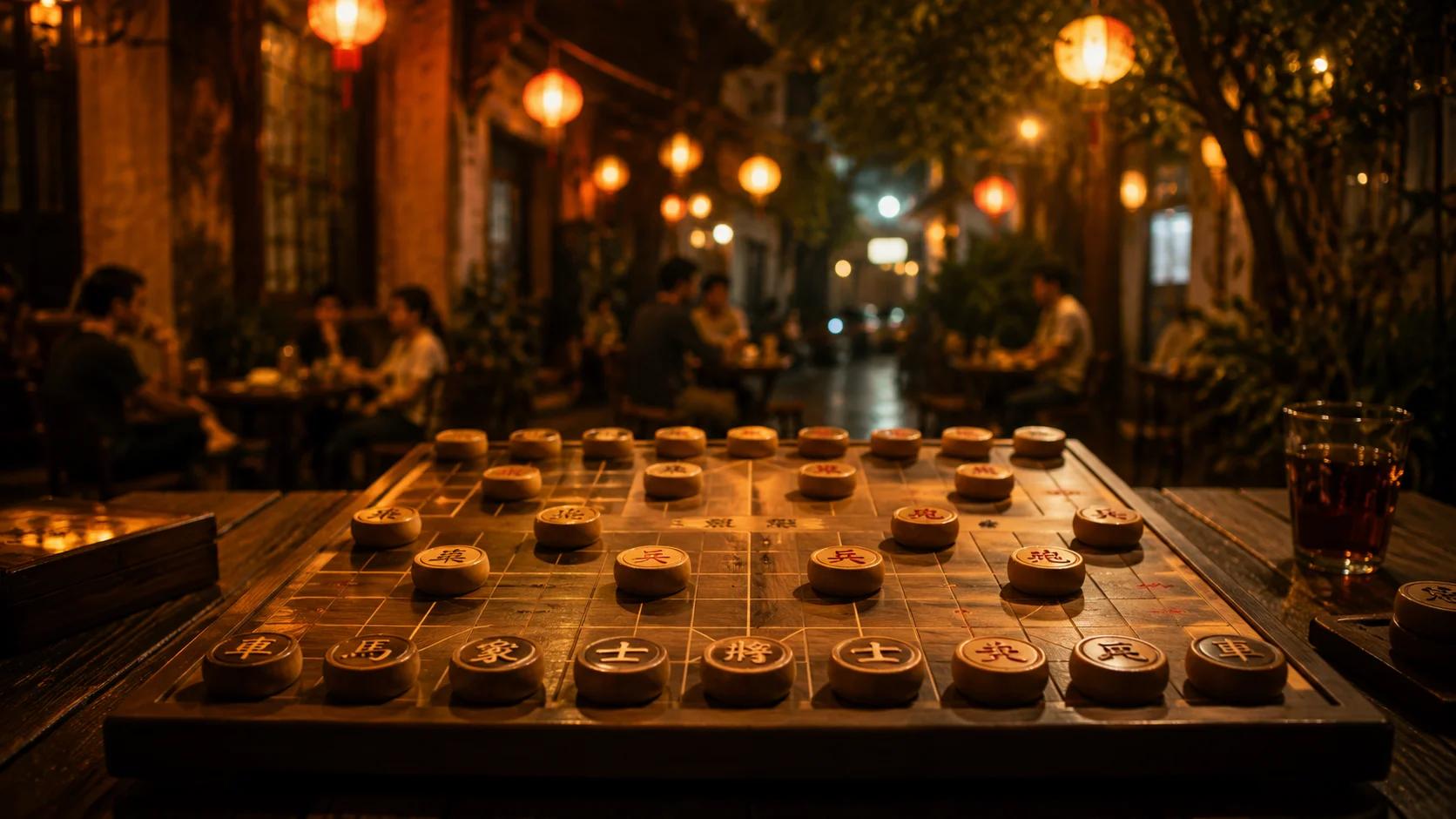
Beyond structured clubs, Xiangqi remains deeply rooted in the daily life of French Asian communities. In neighborhood associations of the 13th arrondissement of Paris, in Chinese and Vietnamese cultural centers, in cafés of the Choisy Triangle, or near temples, you regularly see wooden boards worn by years of play, around which elders pass on their passion. This informal practice often constitutes the first contact with the game for the children of immigrant families. During Lunar New Year festivities or community celebrations, impromptu tournaments bring together several generations around the same table. This cultural transmission, more discreet than official tournaments, remains the living foundation of Xiangqi in France.
How can Xiangqi reach a wider audience?
The ambition of the French community today is to open Xiangqi to a wider audience, beyond traditional Asian circles. Several levers are being mobilized: free introductions at board game festivals, partnerships with Western chess clubs for cross-presentations, French-language educational content on YouTube and social media, and of course translated digital platforms such as Xiangqi One that remove the language barrier. Western chess players constitute a particularly receptive audience, already familiar with strategic thinking. To explore the richness of the French and international community, browse our community articles or dive directly in with a first online game to discover this thousand-year-old game through practice.