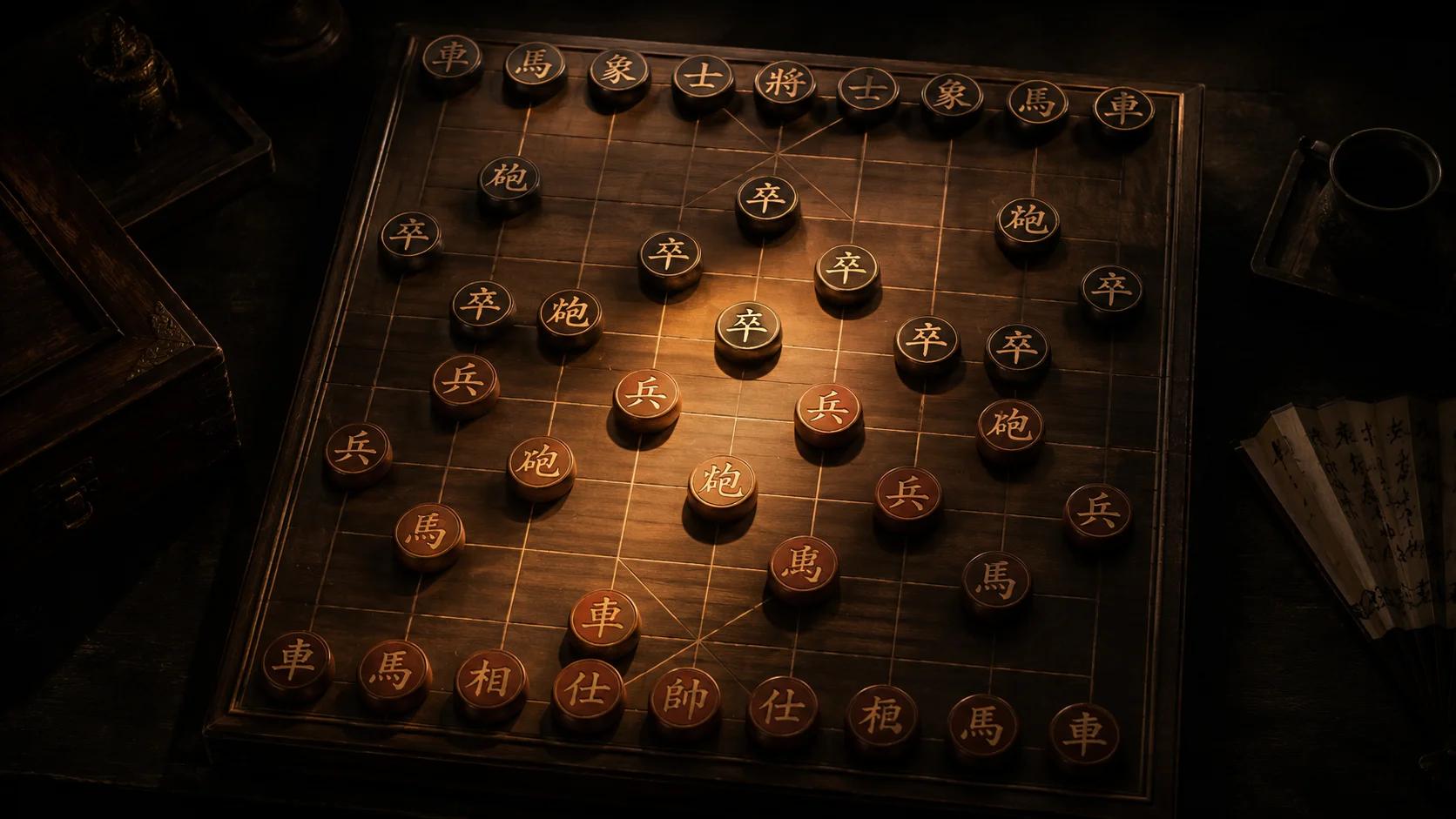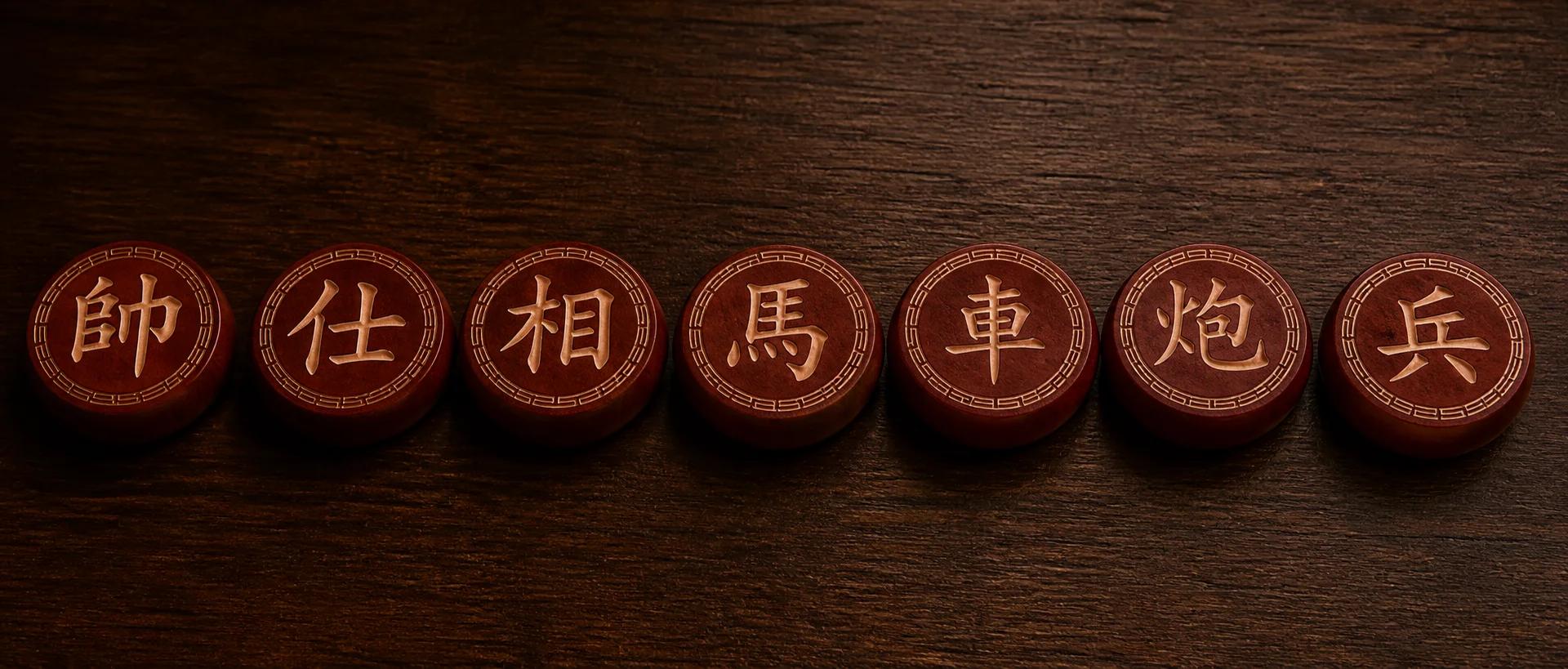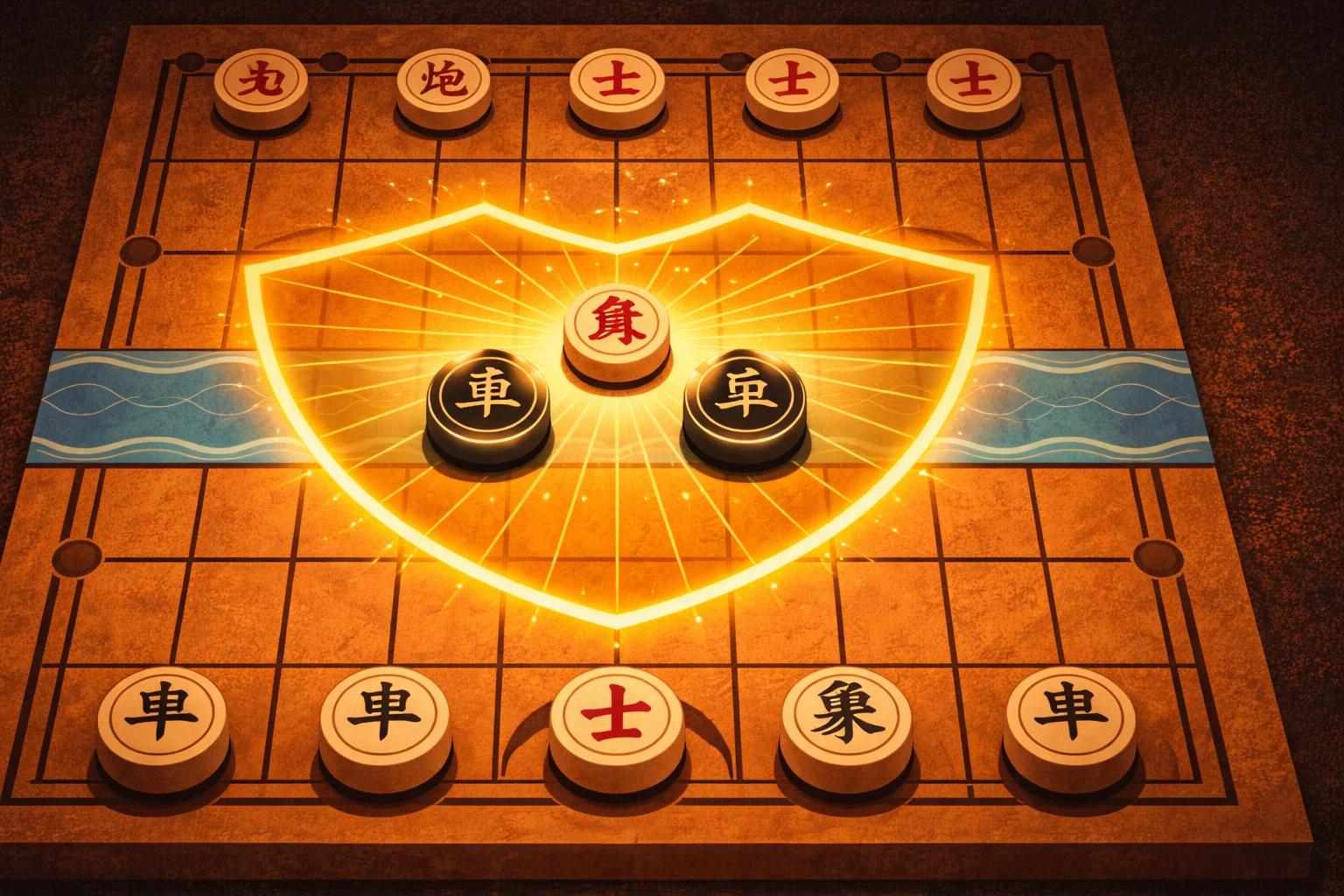
What Is the Screen Horse Defense?
The Screen Horse Defense (屏风马, Ping Feng Ma) is the most popular and well-studied defensive system in Xiangqi. It is Black's primary response to the Central Cannon opening, which is the most common first move in the game. The name comes from the Chinese word for folding screen: the two Horses are developed symmetrically to the front, creating a screen-like barrier that blocks the Central Cannon's threats. This defense has been played for centuries and remains the first system that every serious Xiangqi player should learn. It is sound at all levels, from casual games to professional championships.
Setting Up the Formation
The basic setup involves developing both Horses to their natural squares in front of the Elephants. After Red plays the Central Cannon (moving the Cannon to the center file), Black responds by developing the Horses to protect the central Soldier and control key squares. The typical move order begins with developing the Horse on the side where Red shows more aggressive intent. The Elephants are then developed to support the Horses and complete the defensive wall. A key principle is to avoid moving the central Soldier early, as it serves as a natural screen and shield. The full formation usually takes four to five moves to establish.
Why It Works Against the Central Cannon
The Central Cannon aims to create threats along the center file, targeting the opposing General. The Screen Horse Defense neutralizes this strategy in several ways. The Horses occupy squares that block the Cannon's attack lines and contest control of the center. The intact central Soldier acts as a physical barrier on the center file. The Elephants provide a second layer of defense behind the Horses. Together, these pieces create a formation that is extremely difficult for the Central Cannon to penetrate without committing to a specific attack plan, giving Black time to complete development and launch a counterattack. This is why the defense has stood the test of time for over four hundred years.
Main Variations and Plans for Black
Once the basic Screen Horse formation is established, Black has several plans depending on Red's continuation. If Red plays aggressively with a Chariot on the river rank, Black can respond with a counter-Chariot and aim for active piece play on the flanks. If Red develops more slowly, Black can advance a wing Soldier and prepare a Horse-led counterattack. The most common sub-variations include the Left Chariot Patrol (where Black's Chariot patrols along the river) and the Cannon Exchange variation (where Cannons are traded early). Each variation leads to distinct middlegame positions with their own strategic themes. Study the openings guide for a broader view of how these variations fit into the opening landscape.
Middlegame Strategies from the Screen Horse
In the middlegame arising from the Screen Horse Defense, Black typically aims for counterplay on the wings while maintaining a solid center. Key strategic ideas include advancing a flank Soldier to open lines for the Horse, repositioning a Cannon to an active file, and using the Chariot to contest open lines. Black should look for opportunities to trade off Red's Central Cannon, which removes the primary attacking threat. Another important theme is the Horse redeployment: after the opening phase, one of Black's Horses may maneuver to a more aggressive position to support a counterattack. Patience is critical because the Screen Horse is a positionally sound defense that rewards careful play over premature aggression.
Common Mistakes in the Screen Horse Defense
The most frequent mistake is moving the central Soldier too early, which opens the center file and gives the opponent's Cannon a direct line to the General. Another error is developing the Horses asymmetrically without a clear reason, which can leave one side of the board weakened. Beginners often neglect to develop their Chariots quickly enough, leaving their most powerful pieces idle while the opponent builds an attack. Failing to connect the Elephants (developing only one Elephant) is another common oversight that creates defensive holes. Finally, players sometimes become too passive with the Screen Horse, forgetting that the defense is designed to transition into active counterplay. Review these and other pitfalls in the beginner mistakes guide.
When to Deviate from the Screen Horse
While the Screen Horse Defense is excellent, it is not the only option against the Central Cannon. Alternative defenses include the Opposite Direction Cannon (where Black mirrors the Cannon to the center) and the Single Horse Defense (where only one Horse is developed initially). You might choose an alternative when you want to surprise a well-prepared opponent, when the specific game situation calls for a different approach, or simply to add variety to your repertoire. Understanding the Screen Horse thoroughly also helps you appreciate why the alternatives work: they sacrifice some of the Screen Horse's solidity in exchange for different types of counterplay. See our strategy guide for broader strategic principles that apply to all defenses.
Practice Recommendations
To master the Screen Horse Defense, start by playing it in every game where your opponent opens with the Central Cannon. Focus on the first ten moves until the setup becomes automatic. Then study the main variations one at a time, paying attention to the strategic ideas behind each move rather than memorizing long sequences. Analyze your games afterward to identify moments where you deviated from the correct plan. Solving tactical puzzles that arise from Screen Horse positions will sharpen your ability to spot combinations in this structure. Play games on Xiangqi One specifically using this defense to build practical experience and confidence with the formation.