What Is the Middlegame in Xiangqi?
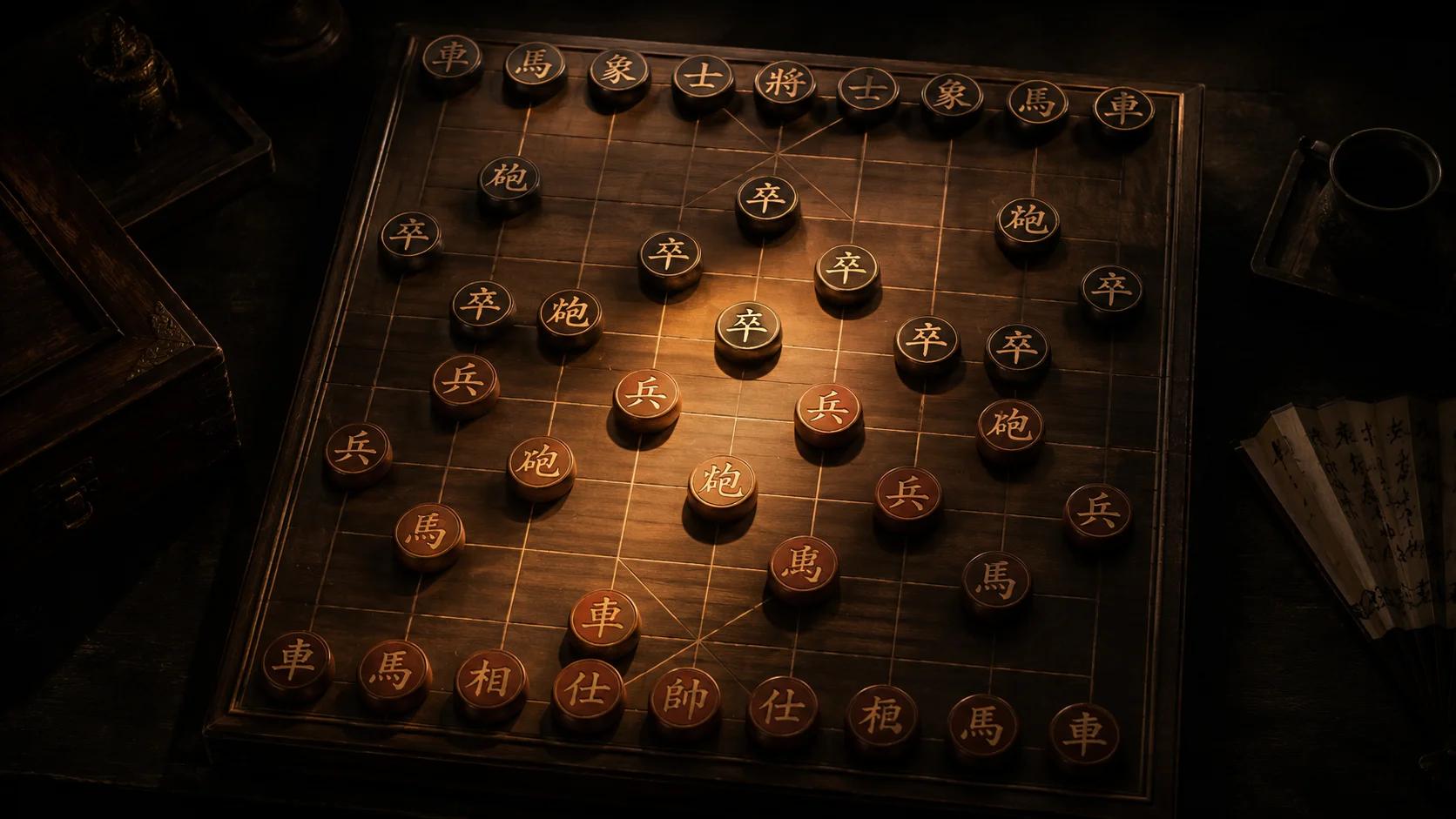
The middlegame begins once both sides have completed their development, usually after ten to twelve opening moves, and ends when enough pieces have been traded to enter the endgame. It is the richest phase of Xiangqi: every piece is in play, tensions accumulate, and a single move can transform a delicate balance into a decisive advantage. Unlike the opening, where theory offers solid landmarks, or the endgame, where technique reigns supreme, the middlegame demands concrete calculation and a clear vision of plans. If you are new to the game, start with our strategy for beginners before tackling this demanding phase.
How Do You Transition from Opening to Middlegame?
The transition shows several telltale signs: your Chariots are active on open or semi-open files, your Horses have left their starting rank, your Cannons sit on useful lines, and the Soldier structure begins to take shape. At that precise moment, ask yourself three questions: where is my General most exposed, which file can I open or contest, and which enemy piece is poorly coordinated. Launching an attack must not be premature; an offensive with only one active piece almost always fails. Read our openings guide to better understand which starting structures favor an aggressive or positional middlegame.
The Cardinal Principles of the Middlegame
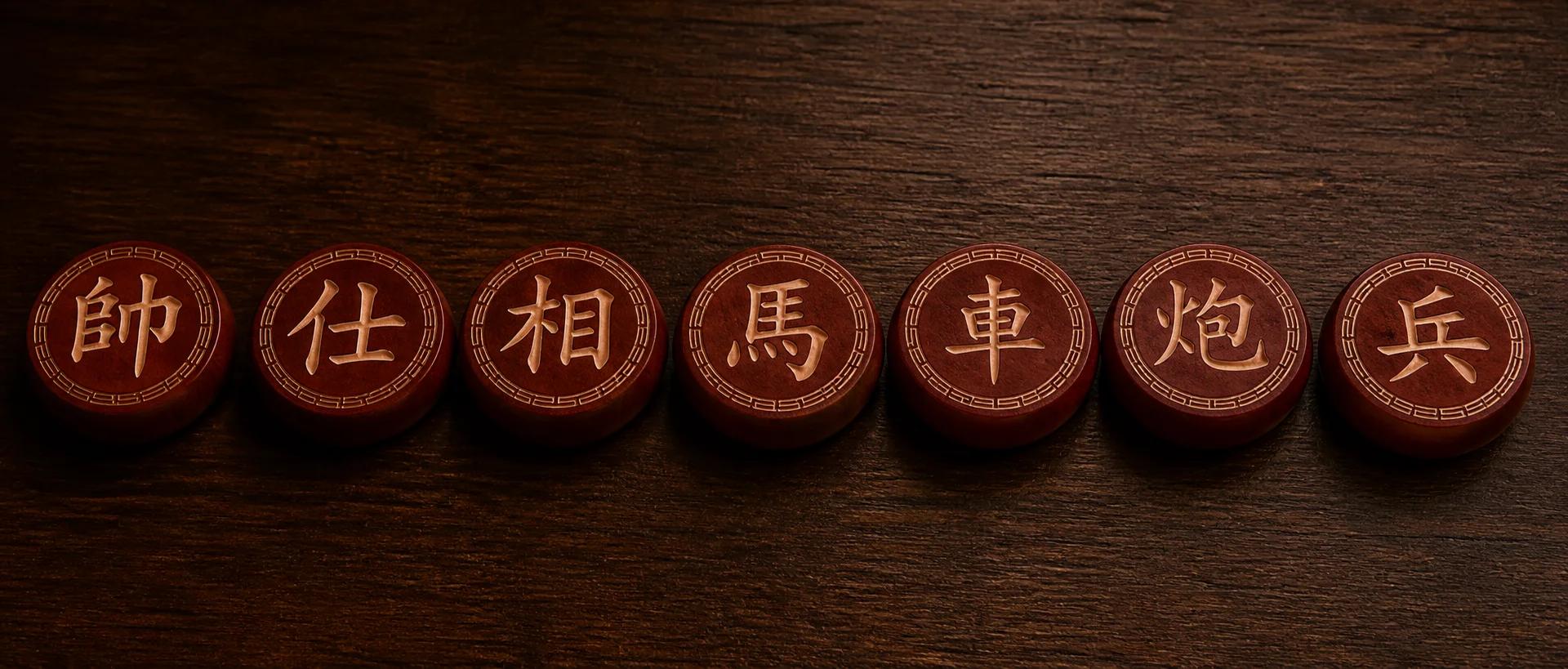
Four principles shape any sound strategy. First: piece coordination. A Chariot, Horse, and Cannon acting together are worth more than the sum of their individual values. Second: control of open files by the Chariots, which turns static pieces into permanent threats. Third: the safety of the General, who must remain protected by at least one Advisor and one Elephant while the enemy attack still threatens. Fourth: the activity of the Horses, fragile when blocked but devastating once installed on advanced squares. To review the relative value of pieces and their dynamic role, see our article on piece values.
Seizing the Initiative: Tempo and Sacrifices
The initiative in Xiangqi means dictating the pace: your opponent responds to your threats rather than executing their own plans. To keep it, multiply moves that threaten something while improving your position. A tempo sacrifice, for instance giving up a Soldier to gain two moves of attacking initiative, is often more profitable than holding onto passive material. Strong players gladly trade a Horse for two advanced Soldiers when it cracks open the enemy defense. The practical rule: a move that threatens and improves is always preferable to a neutral move, even a slightly more solid one. This philosophy separates good players from ordinary ones.
Typical Middlegame Attacking Patterns
Some patterns appear in nearly every top-level game. The Chariot-Cannon battery on a file aimed at the enemy Palace, where the Cannon is placed in front of the Chariot using an enemy piece as a screen, is devastating. The Horse double attack, which strikes two major pieces at once thanks to its angled jump, often wins material. Pinning the General on the central file with a Chariot or Cannon prepares deadly combinations. Finally, the Advisor sacrifice to break the defense, where you give up an Advisor to open an attacking diagonal on the Palace, is a classic theme. Our articles on Advisor and Elephant sacrifices and the Palcorner Cannon opening detail these patterns.
The Cannon's Role: Peak Power, Then Decline
The Cannon is the most context-dependent piece in Xiangqi. In the middlegame, while the board is still crowded, it reaches its maximum power: every enemy or friendly piece can serve as a screen for a capture or a threat. Now is the time to double your Cannons on a file, aim them at the enemy Palace, or install a back-rank Cannon to pin defenders. But beware: as trades progress, the Cannon loses its targets and its usefulness drops sharply. Anticipate this decline by using your Cannons while they are strong, rather than saving them for an endgame where they will often be inferior to a well-placed Horse.
When Should You Simplify Toward the Endgame?
The decision to simplify depends entirely on your position. With a clear material advantage, for instance an extra Horse or Chariot, trades are your friends: each exchange amplifies your relative superiority. With a positional advantage but no extra material, simplify only if the resulting endgame remains winning, which requires knowing the common endgame types. With an inferior position, refuse trades, keep the complexity, and look for tactical counterchances. The transition to the endgame is an art many neglect; our endgame basics guide covers the essential principles, and the specialized article on the Chariot vs Horse endgame explores a frequent and delicate case.
What Is the Main Mistake in the Middlegame?
The dominant mistake among intermediate players is passivity: stringing together defensive or neutral moves that improve nothing, letting the opponent concentrate forces without opposition. Three other faults appear constantly. Bad trades, where you give up an active piece for a misplaced enemy one, squander an advantage. Premature exposure of the General, often caused by carelessly trading an Advisor or Elephant, opens the door to a lightning checkmate. Finally, the solo attack, launched by an isolated Chariot without support, almost always fails against accurate defense. Spot these patterns in your own games to progress quickly.
How to Analyze a Middlegame Position
To analyze a position, follow a structured approach. First evaluate the material of both sides, then piece activity: how many are engaged in the attack, how many are passive. Next identify chronic weaknesses: exposed General, isolated pawn, blocked Horse, file offered to an enemy Chariot. Look for tactical resources: double attack, pin, breakthrough sacrifice. Finally ask the strategic question: which plan steers the position toward a favorable configuration. Use Xiangqi One's analysis tools to review your games move by move, compare your choices to the engine's, and identify turning points. Our improvement guide complements this method with a structured training plan, and the strategy category gathers all our articles on the subject.